


LinkedIn has over 900 million professionals, making it the most powerful B2B lead-generation platform today.
You’ll discover how to transform your profile into a lead-generating machine through twelve proven strategies that combine organic engagement with paid tactics.
These methods work whether you’re selling software, consulting services, or enterprise solutions. Master the fundamentals first, then scale with automation and advanced features that’ll triple your pipeline within 90 days.
TL;DR
- Optimize your profile with a professional photo, a keyword-rich headline, and a compelling bio to build trust and attract prospects.
- Share valuable, consistent content that addresses your audience’s problems and establishes you as a thought leader.
- Use Sales Navigator’s advanced filters to identify and target qualified leads based on seniority, geography, and company size.
- Engage prospects through personalized InMail messages after thorough research to achieve higher response rates of 18-25%.
- Run LinkedIn Ads with Lead Gen Forms to directly reach decision-makers and retarget engaged prospects throughout their buying journey.
What is LinkedIn Lead Generation?
LinkedIn lead generation identifies and converts professional prospects into customers using targeted outreach, content, and platform tools. It focuses on decision-makers in specific industries, uses optimized profiles and lead forms, and combines organic engagement with paid ads to capture qualified leads and drive consistent sales growth.
A highly targeted approach focuses on reaching decision-makers in specific industries rather than casting a wide net, hoping something sticks.
Your success depends on multiple strategies working together: content marketing establishes your expertise, profile optimization showcases the problems you solve, and LinkedIn Lead Gen Forms capture prospect information seamlessly through pre-filled data.
The real magic happens when you prioritize building relationships over pushy sales tactics.
You’ll combine organic engagement with paid advertising to move prospects through your sales funnel, transforming casual connections into qualified leads who are genuinely interested in your solutions.
1. Optimize Your LinkedIn Profile
Before anyone considers clicking that “Connect” button or responding to your outreach, they’re checking out your profile, and you’ve got about five seconds to convince them you’re worth their time.
First impressions matter, so optimize profiles to attract leads by treating them like landing pages with conversion tracking in mind. Your LinkedIn profile visitors want clear, compelling professional information.
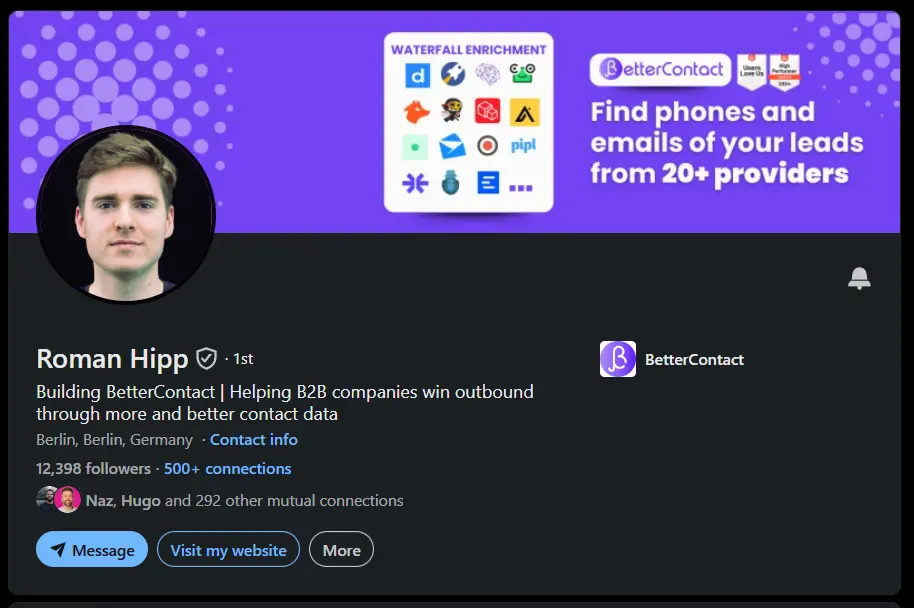
Optimize profiles to attract leads by updating six critical elements:
- Profile picture: Use a high-quality professional headshot
- Header image: Request branded social banners from your design team
- Headline: Keep it concise and value-focused
- Summary section: Write a first-person bio addressing your professional audience segments
- Featured section: Showcase top-performing content
- Experience section: List specific achievements and projects
Each element works together to improve your social selling index.
Feature your best-performing content and achievements. Keep everything current and conversational.
2. Build Your Audience By Posting Valuable Content
Once your profile’s polished and ready for prime time, it’s time to shift focus to what’ll actually keep people coming back: your content. Share posts that solve problems your audience cares about while highlighting your thought leadership.
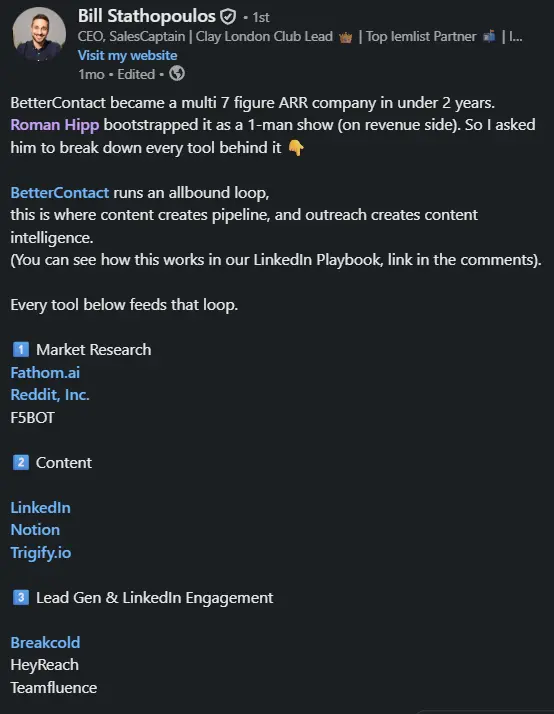
You’re not just chasing engagement numbers; you’re providing real value to your professional connections.
- An authentic introduction explaining your professional background
- Thoughtful questions that spark engagement
- Methods you’ve tested with documented results
- Reshared articles with your expert commentary
- Don’t overthink it; even an honest “this is my first post” works.
Consistency matters more than perfection. Test different posting times to see what drives engagement. The goal? Position yourself as someone worth following, not just another connection request.
3. Engage with your ICP
Posting great content builds your authority, but scrolling past your ideal customers without engaging them is like setting up a shop and never talking to anyone who walks in.
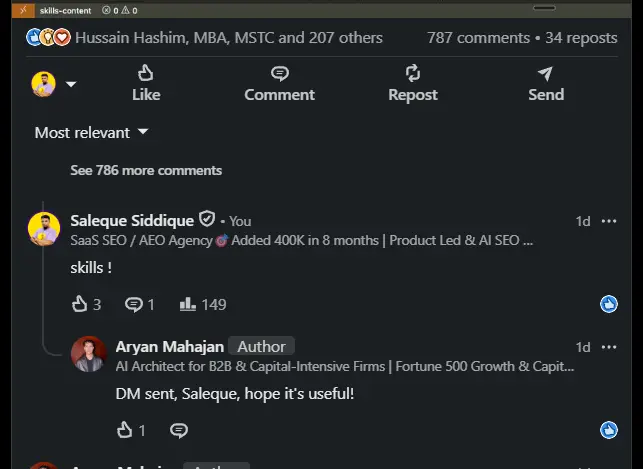
You’ve built your network; now activate it. Start by identifying your ideal customer profile using LinkedIn’s filters, then engage strategically.
- Comment thoughtfully on posts from your ICP
- Share insights in industry-specific LinkedIn groups
- Send personalized connection requests to event participants
- Monitor engagement analytics to identify interested prospects
Each meaningful interaction strengthens relationships and moves prospects closer to conversion.
4. Invest in LinkedIn Outreach Automation Tools
LinkedIn automation tools scales networking problem by handling repetitive tasks, such as tracking profile visitors and sending connection requests, while maintaining personalization.
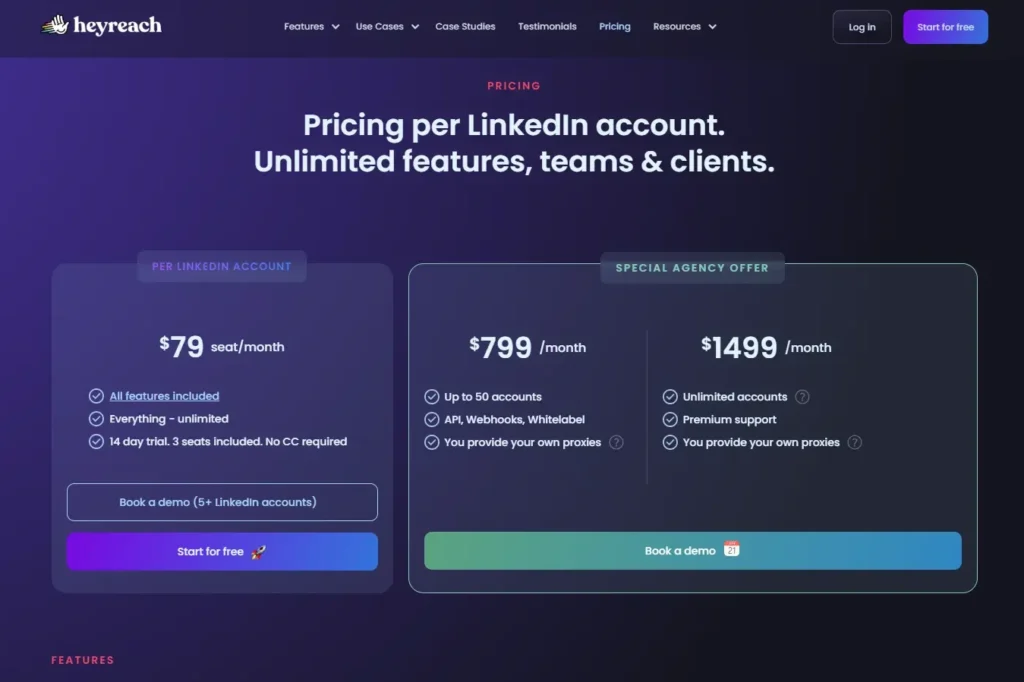
The best tools use innovative sequencing to coordinate multi-channel campaigns, combining LinkedIn messages with email to deliver account-based marketing that feels natural rather than robotic.
Here’s the catch: treat automation like a spam machine, and you’ll earn an account ban.
Success requires targeting quality over quantity, hyper-personalized messages to specific audiences, delivered via cloud-based platforms that mimic human behavior.
When appropriately executed, automation multiplies your reach without sacrificing lead quality, letting you focus on closing deals rather than clicking buttons.
5. Run Account-Based Marketing Campaigns
Account-based marketing transforms LinkedIn from a numbers game into a precision strike operation where you’re hunting whales, not casting nets.
You’ll define your ICP and map buying committees to identify decision-makers within high-value accounts. Start by researching their pain points, then engage authentically by commenting on their posts before sending personalized messages that reference specific context.
Use LinkedIn Ads to target your audience with surgical precision while orchestrating multi-touch campaigns. Track interactions in Airtable, then deploy automation tools like HeyReach for scaled outreach.
When prospects don’t respond on LinkedIn, use BetterContact to find their email addresses and continue the conversation. This coordinated approach dramatically improves engagement and lead generation performance by treating each account as a market of one.
📃Read This: How Do You Generate Leads on LinkedIn?
6. Incentivize Team For Social Selling
Your account-based marketing efforts can identify the perfect targets, but without your entire team actively selling on LinkedIn, you’re leaving money on the table.
ColdIQ is the perfect example of how to incentivize a team for social selling.
To incentivize team participation in social selling, create a rewards program that recognizes top performers in lead generation by tracking metrics such as profile views, connection requests, and engagement rates on prospecting messages.
Provide team members with a centralized content repository filled with approved materials they can quickly share. Consider integrating social selling metrics into your marketing automation platform to monitor progress.
Offer incentives ranging from gift cards to public recognition for sales reps and customer success managers who consistently engage prospects.
When your entire team embraces social selling, you’ll exponentially multiply your LinkedIn reach.
📃Read This: How Do You Warm Up Leads?
7. Generate Leads From Events, Webinars
Events and webinars are among LinkedIn’s most underutilized goldmines for lead generation, yet most marketers treat them as one-off activities rather than as systematic prospecting engines.
To generate leads from events effectively, start with webinar signup forms that capture LinkedIn profiles. This prequalifies your professional audience segments, as attendees already show interest.
Offer a free lead magnet first, then introduce your high-ticket product. Use lead gen forms to feed data into your CRM for automated outreach.
Tools like Clay score prospects while BetterContact finds phone numbers. Your messages convert prospects into leads when you follow up strategically. They’ll recognize your brand from the webinar.
Monitor content impressions and engagement to optimize your conversion rate, and transform each event into a repeatable prospecting system.
8. Join Relevant LinkedIn Groups
While most sellers overlook them, LinkedIn Groups function as concentrated pools of your ideal customer profile actively discussing their business challenges. You’ll position yourself as a subject matter expert by sharing value-driven insights rather than product pitches.
Here’s how to maximize LinkedIn Groups for lead generation:
- Search for groups where your target accounts actively participate.
- Post solutions addressing specific pain points you’ve identified.
- Comment on discussions to boost your visibility among potential customers.
- Monitor conversations to uncover new customer challenges.
- Document insights for hyper-personalized outreach later.
Focus on connecting authentically with members who match your ICP.
Think of it as premium customer service before the sale even happens. By engaging authentically in LinkedIn Groups, you’re building relationships with prospects who’ll remember you when they’re ready to buy.
9. Utilize Current Customers’ Network
Building LinkedIn connections in groups is valuable, but the most powerful LinkedIn leads often come from people who already know and trust your work.
Your current customers are goldmines for social proof and warm outreach opportunities.
Ask satisfied clients for referrals to contacts in decision-making positions. This dramatically improves your outreach-to-demo conversion rate compared to cold messaging.
No, referrals is not a scalable strategy, but it can deliver the highest quality leads.
Here’s an Email Template:
Hey [Name],

We've genuinely loved working with you, honestly. If every client were like you, running projects would be a breeze.

Because of how well things have gone, we're giving you 10% off your next retainer as a small token of appreciation.

Out of curiosity… do you happen to know someone in your circle who's also serious about elevating their brand with clean, conversion-focused design?
We'd love to give them the same level of care and attention you've experienced.

No pressure at all, but if someone comes to mind, I'd be happy to do a special intro and on the house UI.

Best,
[Your Name]
[Your Position]
[Your Company Name]
Request that they share case studies on their profiles or introduce you directly to prospects. When you’re vouched for by someone trusted, you’ll bypass the skepticism that plagues advertising campaigns.
You can also review their connections’ professional information to identify qualified leads. This approach feels less spammy and more authentic.
10. Use Sales Navigator Lead List Building
If you’re a sales rep with access to LinkedIn Sales Navigator, you’ve got a serious advantage when it comes to finding qualified leads, but only if you know how to use its advanced filters effectively.
These advanced search filters let you segment prospects by seniority, geography, and company size, turning your prospecting into a targeted science rather than guesswork.

Sales Navigator shows you the perfect profile but doesn’t provide contact information, like phone numbers or email addresses.
- Build target lists: Segment by seniority, geography, and company size.
- Track engagement: Monitor your saved leads’ LinkedIn activity so you can reach out at just the right time.
That’s where data enrichment tools like BetterContact become essential.
You’ll transform LinkedIn searches into actionable campaigns by exporting enriched data straight to your CRM. This combination lets you identify target users and actually reach them.
📃Read This: How to Scrape LinkedIn?
11. Explore LinkedIn InMail
Sales Navigator helps you find the right people, but what happens when those decision-makers aren’t in your network and won’t accept your connection request?

That’s where LinkedIn InMail becomes your secret weapon for lead generation. This premium messaging feature lets you reach anyone on LinkedIn, bypassing connection limits entirely. When done right, InMail achieves response rates of 18-25%, crushing cold email’s measly 3%.
The key? Personalization. Research your prospect thoroughly and craft messages addressing their specific challenges.
Sales Navigator’s analytics tracking shows what’s working, helping you refine your B2B digital marketing approach.
Don’t waste credits on mass campaigns, though. InMail works best for targeting decision-makers in high-value accounts where every conversation counts.
Think precision, not spray-and-pray.
12. Invest in LinkedIn Lead Generation ADs
LinkedIn Ads put your message directly in front of decision-makers who actually have the budget to say yes.
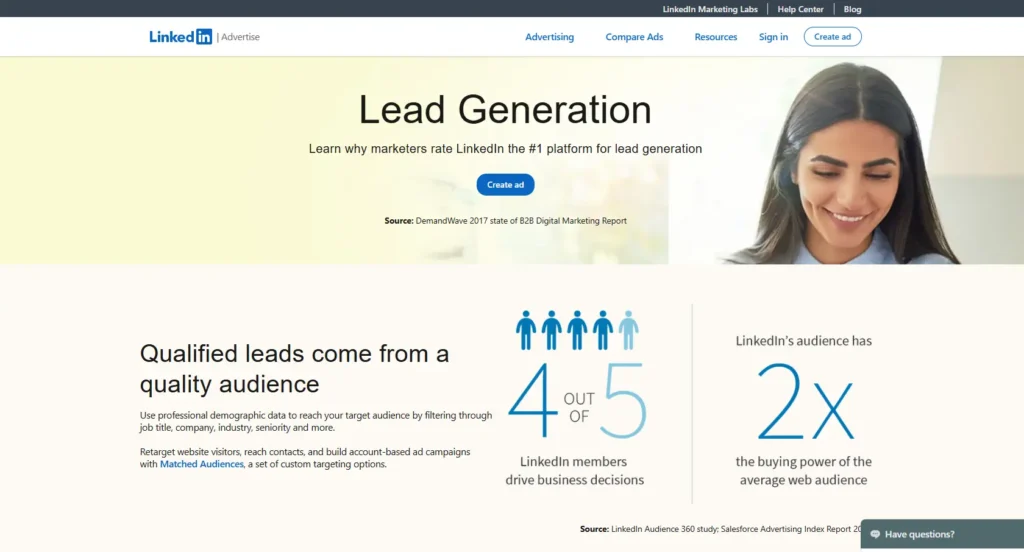
With Campaign Manager, you’ll create lead generation campaigns using demographic filters to pinpoint your target audience by job title, industry, and company size. LinkedIn’s Lead Gen Forms prefill with member data, boosting conversion rates up to 5× compared to traditional landing pages.
Test different sponsored content formats to drive awareness, and use carousel ads to effectively showcase product features. Video ads earn 30% more engagement than static images.
Don’t forget retargeting: segment audiences by engagement level, from high-intent visitors who viewed pricing pages to early-stage prospects. This multi-touch approach keeps you top of mind throughout their buying journey.
To Wrap It All Up
LinkedIn lead generation isn’t rocket science, but it’ll absolutely transform your business if you’re consistent.
You’ve got the complete playbook now. Optimize your profile, create killer content, engage strategically, automate smartly, and leverage paid tools like Sales Navigator and ads.
Don’t just read this and forget it.
Pick the first five strategies today and implement them. Your future customers are scrolling LinkedIn right now, waiting to discover you.