Okay,
Let me just say it out loud. Every single article you’ve ever read on Google on Inbound Lead Generation is garbage. It’s horrible.
We want you to have the maximum value. Is Inbound Lead Gen unpredictable? YEP!
So how do we make it predictable? We add outbound right behind it with cold calling, cold emailing & LinkedIn outreach.
And BAM! Maximum profit. 📈
Let’s reveal the secrets of magnetic lead generation. Yeah bub?
What Is An Inbound Lead?
An inbound lead is a prospect who shows active interest in your business by engaging with your content, such as downloading ebooks, filling out forms, or contacting you through blogs or social media. Inbound leads work by initiating contact through marketing channels, helping businesses attract, track, and convert high-intent prospects.
Remember, not all leads are created equal – your conversion rates will soar when you focus on the most promising ones.
How Does Inbound Lead Generation Work?
Inbound lead generation works by attracting potential customers through valuable content and converting them into leads using calls-to-action, forms, and landing pages. Instead of chasing prospects, businesses draw them in through SEO, social media, and content marketing, building trust and guiding them naturally into the sales funnel.
See, it’s not about hunting down leads – it’s about creating a path that naturally draws them to you!
Inbound VS Outbound: Who WINS?
The main difference between inbound and outbound marketing is the approach. Inbound marketing attracts customers through valuable content and builds long-term trust, while outbound marketing reaches out directly through calls, ads, or emails for faster results. Neither truly “wins” by combining both drives sustainable growth and immediate conversions.
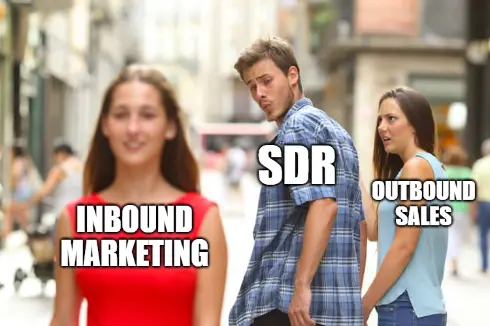
The perfect balance is when SDRs use both to maximize their sales. However, in terms of speed, Outbound wins the game.
Inbound VS. Outbound: What’s The Difference?
| Feature | Inbound Lead Generation | Outbound Lead Generation |
|---|---|---|
| Approach | Pull – Attract prospects with valuable content and experiences. | Push – Reach out to prospects directly. |
| Cost | Generally more budget-friendly. | Can get pricey, especially if you’re relying on paid ads. |
| Lead Quality | You get higher-quality leads who are actually interested in what you offer. | Leads may be less interested or not a good fit. |
| Relationship | It’s all about building trust and long-term relationships. | Often focused on quick transactions. |
| Examples | Blogging, SEO, social media, email marketing, webinars | Cold calling, email blasts, trade shows, TV ads |
📃Read This: Warm calling VS Cold Calling
10 Best Inbound Lead Generation Strategies
See, when it comes to inbound lead generation, you’ve got quite a few exciting strategies that’ll help bring those qualified leads straight to your virtual doorstep!
Now, while there are many approaches out there, we’re going to focus on five game-changing strategies that’ll transform your business – from social media marketing to influencer partnerships.
Whether you’re just starting out or looking to upgrade your current strategy, these proven methods will help you build a lead-generation machine that works while you sleep (wouldn’t that be nice?).
1. Social Media
Unlike throwing darts blindfolded with traditional outreach methods, social media enables you to connect with prospects who’ve already shown genuine interest in what you offer.
Here’s the customer-centric approach that’s changing the game:
Start by building your presence on LinkedIn, where B2B decision-makers spend their time. Create content that delivers and nurtures leads through valuable insights and industry expertise.
Track those engagement metrics carefully – every like, comment, and share tells you who’s interested.
Now, here’s where it gets exciting! Use tools like PhantomBuster to gather interaction data, then enrich those profiles with BetterContact for verified contact info.
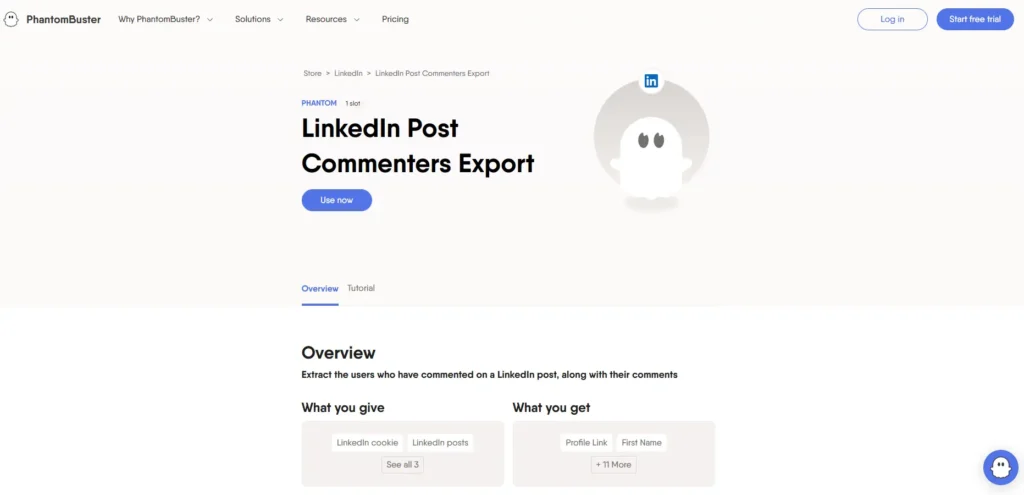
See, automated follow-ups become much more effective when your prospects are already familiar with your content.
Remember, personalization enhances engagement and trust, so reference their specific interactions when reaching out.
Workflow:
- Build your presence on LinkedIn or any other social media by posting valuable, niche-focused content regularly.
- Engage with your target audience through comments, shares, and DMs.
- Use PhantomBuster to scrape engagement data (likes, comments, shares) from your posts.
- Collect LinkedIn profiles of people who interact with your content.
- Enrich these profiles with BetterContact to get verified phone numbers.
- Reach out to warm leads via cold calls or emails now, as they are already familiar with your content.
- Repeat the cycle by analyzing which content drives the most engaged prospects.
It’s like picking up a conversation that’s already started!

Fun Fact: According to Hubspot 45.66% of marketers usually repurpose the same marketing content across various social media channels.
2. Offer Lead Magnets
When you’re trying to capture leads, nothing works quite like an irresistible lead magnet! These valuable freebies, such as ebooks, templates, or exclusive videos, give your prospects a compelling reason to share their contact information with you.
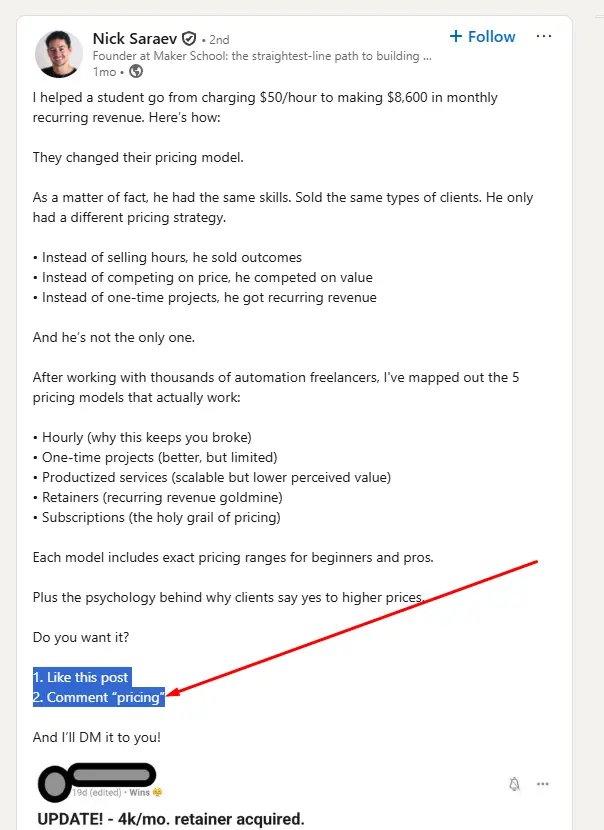
The key is creating a dedicated landing page that’s laser-focused on showcasing your offer and lead magnets. Keep it clean and simple! Your lead capture forms should only ask for essential details – nobody likes filling out lengthy questionnaires.
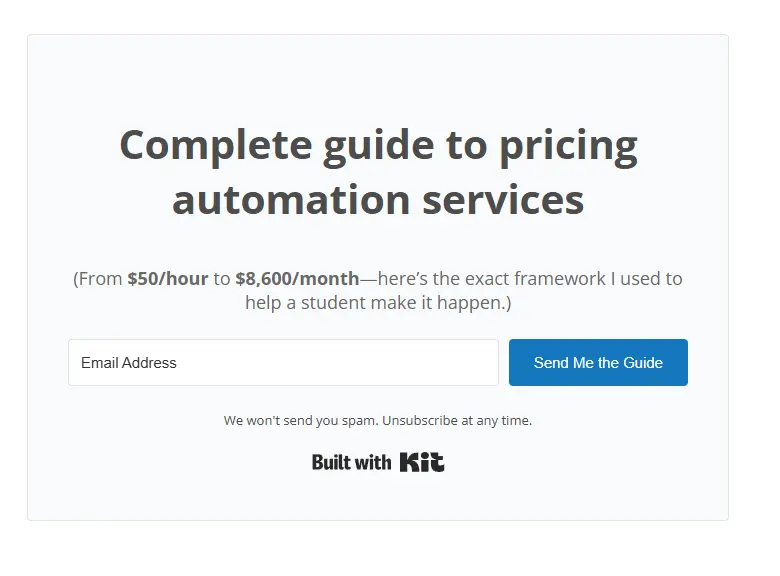
Remember to use powerful calls to action that make visitors excited to click.
Now, don’t just set it and forget it. Utilize marketing automation to deliver your lead magnets instantly, and continually test different approaches through A/B testing.
You’ll be amazed at how minor tweaks to your headlines or button colors can boost your conversion optimization results!
Workflow:
- Build Audience on Social Media – LinkedIn, Twitter, Facebook.
- Craft several assets that your audience might or should need.
- Use a form to collect their LinkedIn, email and phone number(optional).
- Make users receive the lead magnet after they sign up.
- Push thier Linkedin Profiles to find mobile phone numbers via BetterContact
- Cold call them & watch them know your Brand.
3. SEO
Search engine optimization (SEO) takes your lead generation game to a whole new level!
Instead of chasing prospects, you’ll have them come to you through stellar SEO and a website UX that converts visitors into leads.
When you create high-quality content that ranks well, you attract prospects who are actively searching for solutions like yours.
Now, combine this with website visitor tracking tools, and you’ll expose a goldmine of lead qualification opportunities!
These tools reveal which companies are checking out your pages, their behavior patterns, and their level of interest.
Workflow:
- Optimize your website with a Speed Optimization, CRO, and clear CTAs.
- Develop a comprehensive Product-Led content strategy.
- Publish high-quality, niche content to attract prospects actively searching for your services.
- Track website visitors with tools like RB2B, which identify companies and visitor behavior.
- Segment these visitors into priority tiers based on their level of interest (e.g., high-intent visitors vs. casual visitors).
- Use BetterContact to find direct mobile phone numbers of them and the decision-makers from visiting companies.
- Pick up that phone and upgrade your closing rate!
4. Email Marketing & Newsletters
Everyone loves getting personalized messages that speak directly to their needs! Email marketing enables you to deliver exactly that, using audience segmentation to ensure your content resonates with different groups.
Think of it like having multiple conversations at once, each perfectly tailored to the listener!
Want to nail your email campaigns? Create engaging subject lines that make people want to click, then follow through with valuable content they can’t resist.
Remember, your automated follow-up email tools can nurture leads while you sleep! Just be sure to balance promotional messages with helpful information.
Track your email marketing metrics closely – open rates, click-throughs, and conversions tell you what’s working.
See, personalized emails with clear calls to action aren’t just about selling; they’re about building relationships that turn prospects into loyal customers.
Workflow:
- Build your Ideal Customer Profile (ICP).
- Use Apollo & ExportApollo to build a lead list.
- Enrich the ICP’s emails with BetterContact.
- Verify the emails’ SMTP & Catch-All stats with Reoon & BounceBan. If you use BetterContact, it provides double-verified emails.
- Set up email sequences with hyper-personalized copy and no-brainer offers.
- Use Instantly (or Smartlead / Saleshandy) to send automated cold emails across different regions.
- When leads reply positively, sync them to Airtable using Make or Zapier for organized tracking.
- Enrich leads by checking their LinkedIn profiles to understand roles, interests, and decision-making power.
- Use BetterContact to build mobile phone numbers list of high-potential leads for your mobile phone numbers.
- Follow up with a targeted cold call, combining email + phone for a multi-channel approach.
5. Influencer Partnerships
Looking to supercharge your lead generation? Partner with B2B influencers and watch your outbound leads skyrocket!
Content marketers know that influencer partnerships are pivotal for account-based marketing success.
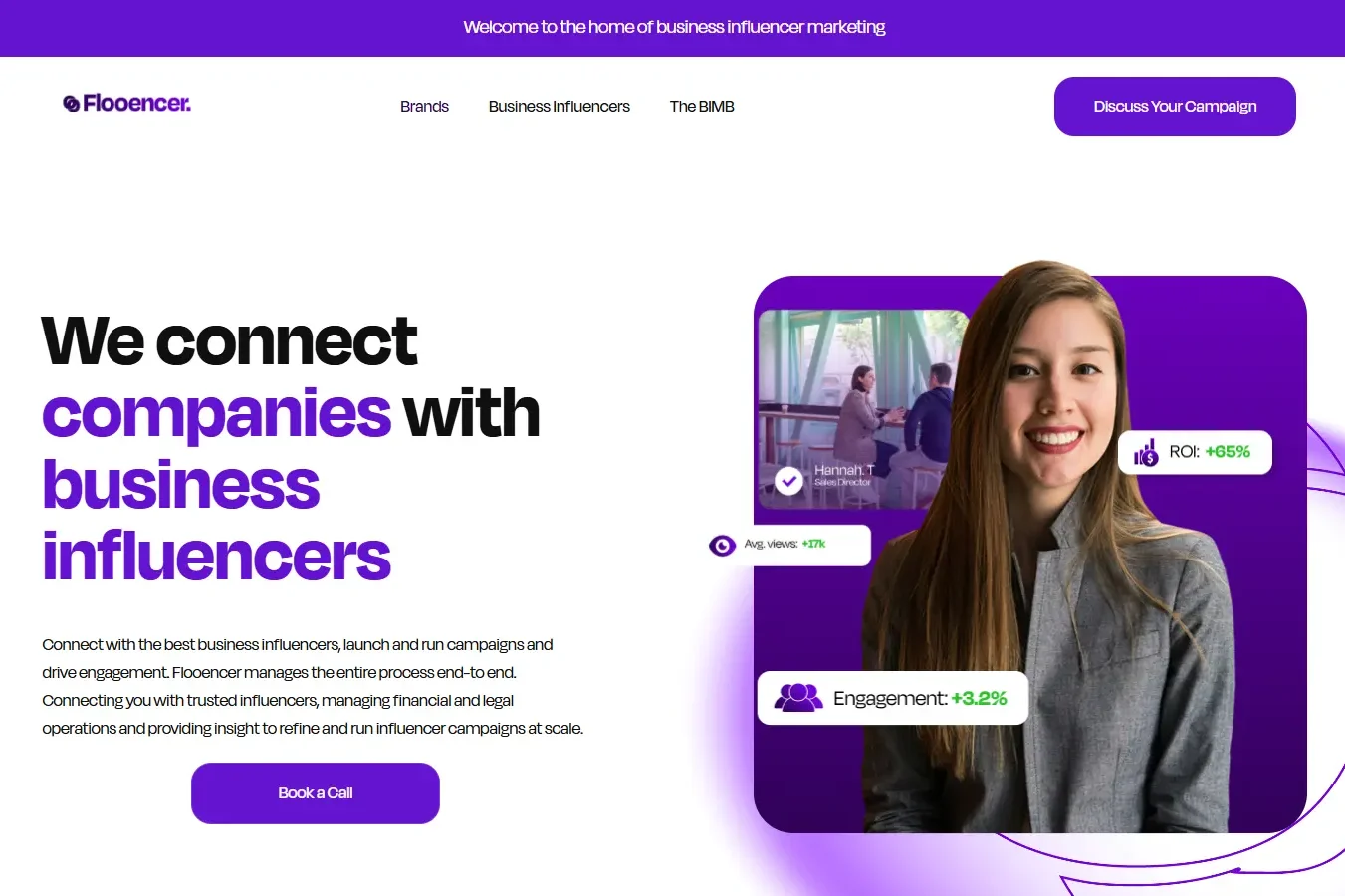
Here’s your Action Plan:
Use platforms like flooencer.com or upfluence.com to find perfect-fit influencers in your space.
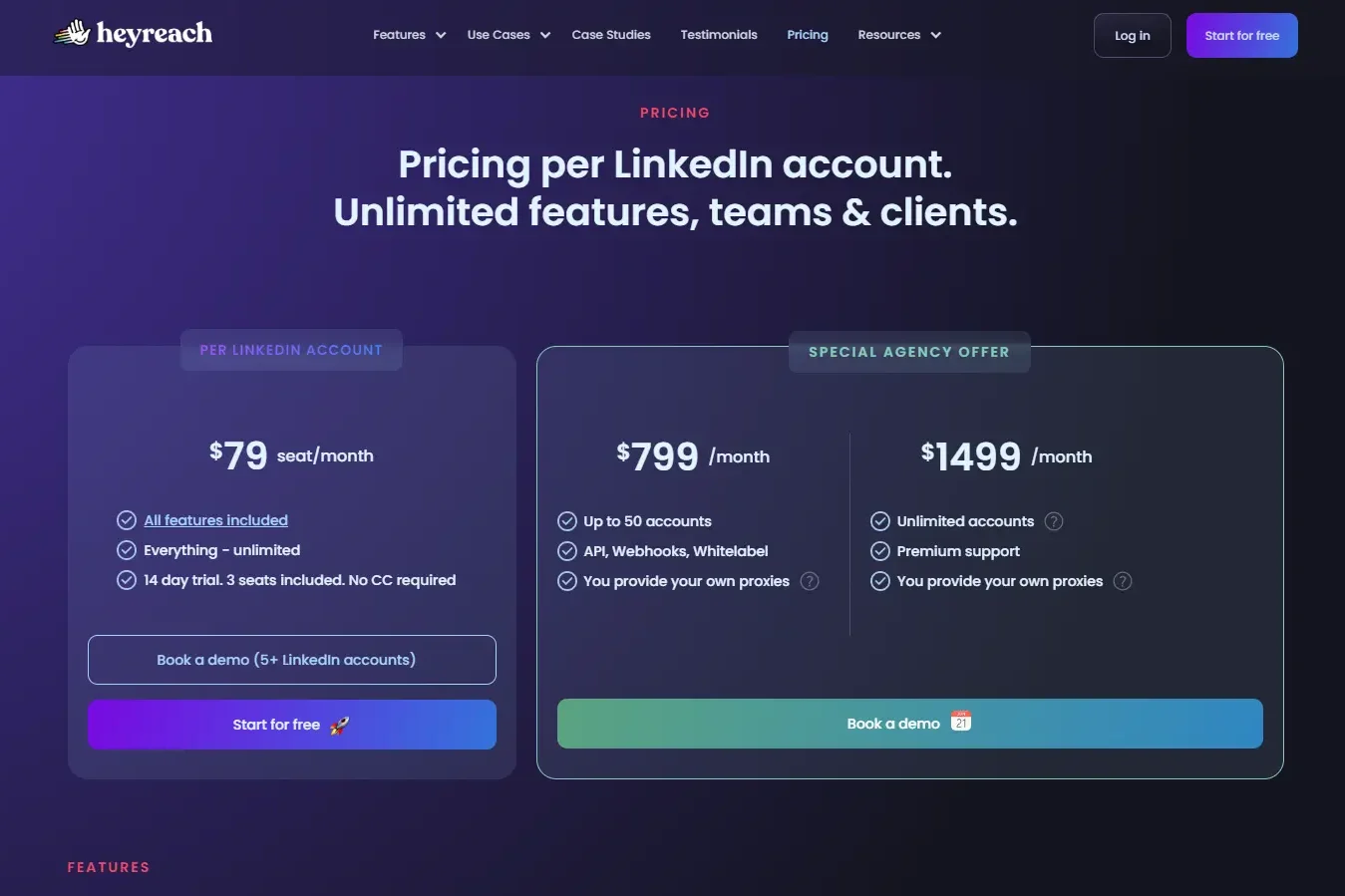
Then, leverage tools like HeyReach for LinkedIn campaigns, SalesHandy for email sequences, and MeetAlfred for Twitter outreach.
Remember, customer success managers love this strategy because it’s all about building genuine, long-lasting relationships.
Want to take it further? Scrape your ideal customer profiles (ICPs) who engage with your influencer content, score them using Clay, and grab their contact info with BetterContact.
Now, when you make those cold calls, you’re not just another voice – you’re a familiar name in their network. Talk about referral marketing done right!
Workflow:
- Use flooencer.com or upfluence.com to find your B2B influencers.
- Run partnership campaigns on LinkedIn using HeyReach
- Run partnership Cold email sequences using SalesHandy
- Run partnership campaigns on Twitter outreach using MeetAlfred
- Scrape the ICP interacting with their content
- Score the scraped ICP profiles on Clay
- Find their phone numbers using BetterContact
- Cold call them & they’ll know you.
Fun Fact: According to Hubspot, 49.90% of marketers say their companies worked with social media content creators/influencers.
6. Run Webinars
While cold outreach can feel like throwing darts in the dark, hosting webinars lets you connect with pre-qualified leads who are actually interested in hearing from you.
Here’s your winning formula: Start by having registrants fill out a form with their LinkedIn profile; this’ll feed directly into your CRM system.
Now, set up your automated workflows with two key offers: a free lead magnet to capture their attention, and a high-ticket offer to enhance customer lifetime value.
Using marketing automation & crm tools like Clay and BetterContact, score your prospects and grab their contact info. With prospecting software doing the heavy lifting, you’re armed with valuable insights before making that call!
Workflow:
- When inviting guests, have them fill out a form requesting their LinkedIn profile information.
- Prepare your presentation.
- Craft the speech.
- Use Zoom to host the webinar.
- Run two offers: one free lead magnet, and another for the High-Ticket Offer.
- Push their LinkedIn in Clay to score the prospect.
- Find their phone numbers using BetterContact.
- Cold call them & they’ll know who you are.
See the thing is, when they finally hear your voice, they’ll already know your expertise – making closing deals a whole lot easier!
7. Appear on Podcast
Getting featured on podcasts can transform you from an unknown expert into a trusted industry voice!
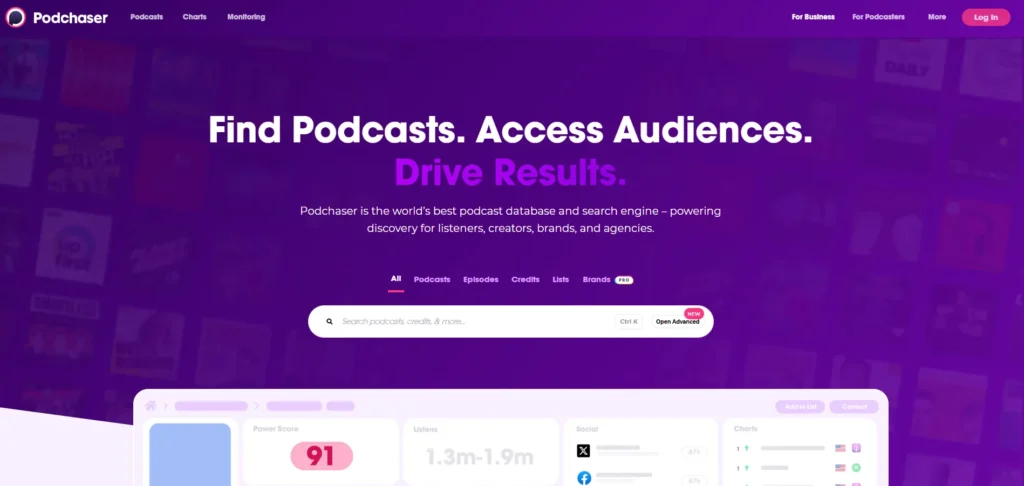
Here’s how to make it happen: Start by using Podchaser.com to build your target podcast list, then craft compelling stories using customer case studies or your own journey. Remember, sales teams love authentic storytelling!
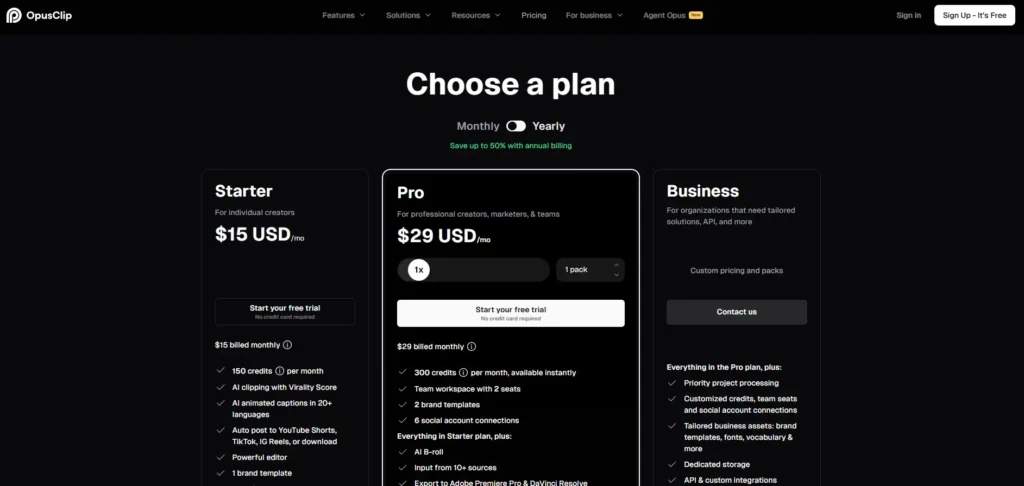
Once you’re on the show, use content delivery tools like Opus.pro to create mini-clips for LinkedIn.
Now here’s where it gets exciting – automation manages lead nurturing workflows perfectly!
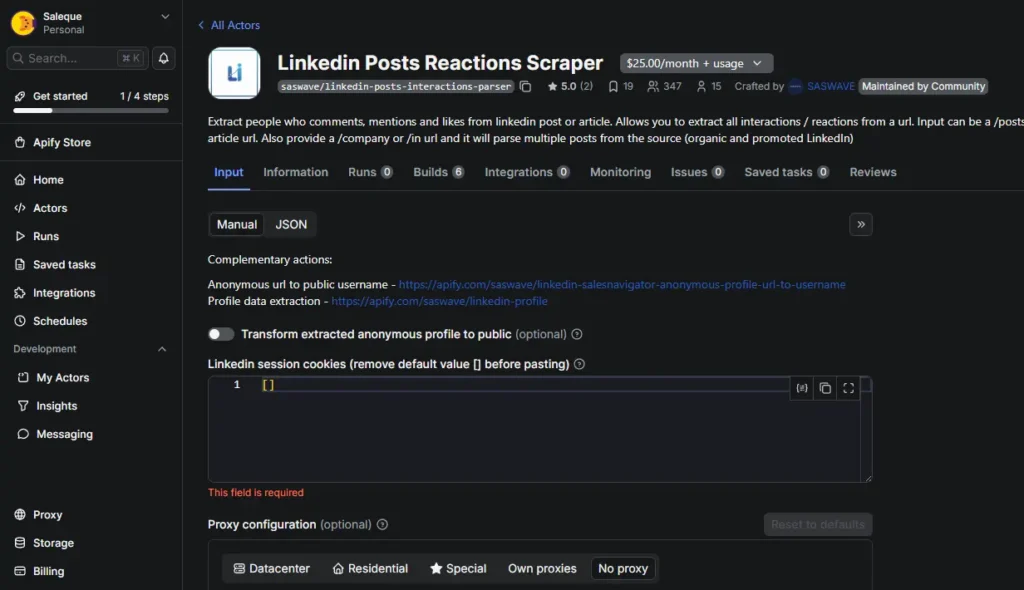
Scrape engaged listeners using Apify or PhantomBuster, then run them through a lead scoring system on Clay.
Finally, use BetterContact to find phone numbers for your marketing-qualified leads. When you cold-call these prospects, they’ll already be familiar with you through your customer education efforts.
Workflow:
- Use podchaser.com to build your lead list
- Craft your story using customer case studies or your journey
- Run campaigns to get yourself invited
- Pop up on the podcast
- Use opus.pro to create mini clips and share them on LinkedIn or other social media platforms.
- Scrape leads interacting with you on LinkedIn using Apify or PhantomBuster.
- Score the scraped ICP profiles on Clay.
- Find their phone numbers using BetterContact.
- Cold call them & they’ll know you.
That’s pretty much the power of podcast appearances! USE IT!
8. Optimized Landing Pages
Use optimized landing pages for inbound sales by designing focused, conversion-driven pages with clear headlines, persuasive CTAs, and minimal distractions. They help by capturing visitor information, guiding specific actions like form submissions or downloads, and boosting conversion rates through A/B testing and continuous optimization.
Think of it like a perfect first date – no distractions, just pure connection!
9. Customer Reviews & Testimonials
Nothing builds confidence like hearing from happy customers! When it comes to inbound marketing strategies, leveraging positive customer feedback is pure gold for your lead generation efforts.
Here’s a powerful approach to maximize your customer reviews and testimonials:
Start by using senja.io to gather compelling reviews from your satisfied clients.
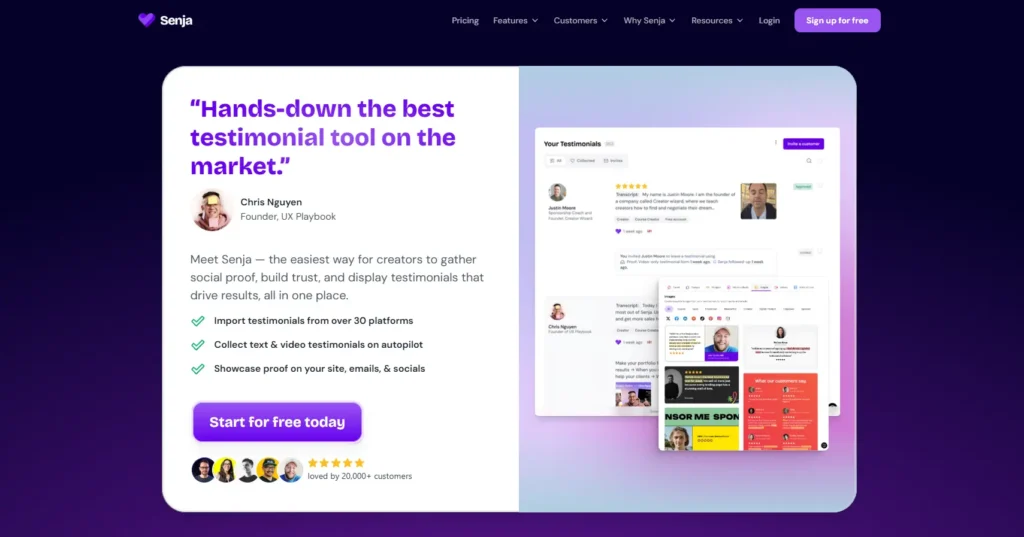
Then, take it up a notch by connecting with your customers on Sales Navigator and using Scrupp to identify their valuable network connections.
Here’s where it gets interesting – upload this data to Clay to score potential leads, then use BetterContact to find their phone numbers.
Now you’re ready for the magic moment: reach out with a personalized cold call that mentions your mutual connection!
This strategy builds instant trust and credibility, making your prospects much more likely to engage.
Workflow:
- Use senja.io to collect reviews.
- Push your customers’ LinkedIn profiles in SalesNavigator.
- Scrape all their Connects using Scrupp.
- Upload data on Clay and score their business & profiles.
- Find their phone numbers using BetterContact.
- Cold call them & mention your customer’s name.
You’ll never need to buy leads from anywhere else since BetterContact connects to all the popular tools.
10. Youtube
YouTube can also work as a B2B lead-generating machine.
Not only does the typical buyers look for your product on Youtube before making a sales. Most of the AI, LLM engines now collect youtube data.
How do you do it?
Focus on three content buckets:
- Actionable tutorials
- Educational insights
- Social proof like client interviews.
Study competitors’ high-performing videos to inspire your own, but always add your unique angle. Script videos with a clear hook, bullet-point body, and mid-roll plus outro CTAs to guide viewers toward your free course or booking page.
Watch this 👇.
Use bright, concise thumbnails and short titles with numbers for clicks. Track engagement via tools like RB2B, then use BetterContact to pull decision-maker emails and direct mobile numbers. Finally, reach out and convert warm leads efficiently.
Workflow:
- Define Your Ideal Buyer Persona: Identify your target audience and research their search habits and pain points.
- Build Three Core Content Buckets: Create action-based tutorials, educational authority content, and social proof case studies.
- Steal What Works: Spy on high-performing competitor videos and repurpose their best topics with your unique voice.
- Script for Conversion: Build a script around a 10-second hook, clear body, mid-roll CTA, and outro CTA to book a call or watch the free course.
- Design Magnetic Packaging: Use bright visuals, short titles, and attention-grabbing thumbnails to drive clicks.
- Launch a Long-Form Free Course: Publish a 30–90 minute masterclass and link it in every video as your main conversion magnet.
- Publish Consistently & Optimize: Stick to a schedule and use strategic CTAs to drive viewers into your funnel.
- Track & Enrich Your Traffic: Use RB2B and BetterContact to identify and enrich company traffic with verified decision-maker contacts.
- Outreach & Close Warm Prospects: Personalize your outreach by referencing video engagement to convert warm leads into clients.
An no, we’re not writing this article cause we felt like it. We actualy do it all.
👇👇👇So do check out our youtube. 👇👇👇
How to Manage Inbound Leads?
Manage inbound leads by scoring and prioritizing them, centralizing contacts in a CRM, segmenting for personalized nurture, automating instant and timed follow-ups, qualifying via behavioral triggers (MQL/PQL/SQL), and tracking KPIs (conversion rate, time-to-contact, revenue) to iterate and optimize your funnel.
See, the real magic happens when you transform a chaotic flood of incoming leads into a streamlined process that turns curious visitors into loyal customers.
1. Lead Scoring
Every successful inbound marketing strategy needs an effective lead scoring system!
Think of it as your marketing compass, helping you prioritize and qualify leads based on their likelihood to convert.
Here’s what you’ll want to score: First, assess demographic suitability – does your lead align with your ideal customer profile?
Next, track their engagement metrics with your website content.
Give points when they visit key pages, download resources, or open your emails. The more they interact, the higher their score!
2. CRM Tools
Once you’ve got your lead scoring system running smoothly, it’s time to power up your lead management game with a CRM tool! Your website lead management becomes a breeze when your CRM automatically tracks and qualifies prospects.
Think of it as your personal sales assistant that never sleeps!
Now, if you’re wondering “how do I automate inbound lead generation?” or “what is inbound lead generation and how does it work?” – a CRM is your answer. It seamlessly integrates with CRM and marketing automation tools, helping you manage your entire sales pipeline.
See, you’ll get powerful analytics to measure lead conversion rates, automated follow-up reminders, and centralized data storage. No more scattered spreadsheets or missed opportunities!
PS: BetterContact has native integration with BreakCold & Hubspot AutoEnrich.
3. Segmentation & Personalization
To transform your lead management from chaotic to strategic, segmentation and personalization are your secret weapons!
By dividing your target audience into distinct groups, you’ll deliver the right message to the right people at the right time.
Effective segmentation involves categorizing leads by industry, company size, location, and buying stage.
Now, here’s where it gets exciting – you’ll create content that educates and nurtures leads specifically for each segment!
Your email nurturing campaigns will feel like they’re talking directly to each prospect.
4. Follow-Ups
Building on your well-segmented audience, let’s discuss following up with those valuable inbound leads.
Time is your biggest ally – or enemy – in the inbound lead generation game. When prospects reach out, you’ve got to strike while the iron’s hot!
See, your sales process needs to be lightning-fast. Set up automated email workflows to acknowledge inquiries instantly, and use real-time data analysis to track your customer journey.
Remember, every minute counts when nurturing these leads! Now’s the time to get strategic with your follow-up conversations. Deploy chatbots for immediate engagement, schedule sales calls promptly, and maintain that momentum.
Think of it like catching a wave – you’ve got to paddle at just the right moment to ride it successfully!
5. Nurture Leads
You’ll need to nurture leads through personalized content and consistent, meaningful interactions. Remember, trust building happens gradually, so be patient with your approach.
Begin by analyzing behavioral triggers that reveal how prospects engage with your content syndication efforts.
Now, use these insights to create targeted campaigns that speak directly to their interests and pain points. See, inbound lead generation isn’t just about collecting contact info – it’s about developing relationships!
Utilize analytics to monitor engagement and refine your strategy accordingly.
Mix up your approach with educational content, success stories, and targeted offers to engage your audience.
When you consistently deliver value that aligns with where prospects are in their journey, you’ll see your conversion rates flourish!
6. Automate Tasks
Automate tasks by using workflow automation tools to manage repetitive actions like lead scoring, email follow-ups, data entry, and appointment scheduling. Automation increases efficiency by freeing teams to focus on relationship building. It enhances human effort rather than replacing it, allowing personalized engagement at scale.
Luckily BetterContact has integration with Zapier & Make. You’ll face no issues automating tasks.
I think it’s high time you worked smarter, not harder.
7. Performance Tracking & Analysis
To make wise decisions about your inbound lead strategy, you’ve got to keep score!
Think of performance tracking as your business’s report card – it tells you exactly what’s working and what isn’t. Keep a close eye on essential KPIs like your lead conversion rate and engagement metrics to understand your customer journey.
See, tracking the revenue generated from inbound leads isn’t just about counting dollars – it’s about understanding your success story! Through data analytics, you’ll spot patterns that show you where to focus your efforts.
Now’s the time to delve into optimization by analyzing those numbers carefully. Remember, what gets measured gets improved! Monitor metrics like time-to-contact and response rates, then use these insights to fine-tune your approach.
Trust me, your future self will thank you for this dedication to tracking!
How Many Types Of Leads Are There?
The main types of leads are classified by qualification and intent. Marketing Qualified Leads (MQLs) show engagement but are not ready to buy. Sales Qualified Leads (SQLs) are ready to purchase. Product Qualified Leads (PQLs) have tested the product.
What is Marketing Qualified Lead (MQL)?
A Marketing Qualified Lead (MQL) is a prospect who shows active interest in your brand through content engagement, downloads, or subscriptions. MQLs work by identifying users most likely to convert using analytics and SEO data. Their importance lies in helping marketers focus on warm prospects and optimize inbound campaigns.
Through SEO & organic traffic analysis and website revamps, you can track their behavior to understand who’s really warming up to your brand.
What is a Sales Qualified Lead (SQL)?
A Sales Qualified Lead (SQL) is a prospect ready to make a purchase. SQLs work by meeting key buying criteria like budget, authority, and timeline. Their importance lies in enabling sales teams to focus on high-intent leads who are most likely to convert, improving sales efficiency and revenue potential.
Remember, with predictive lead scoring, you’ll get even better at identifying these golden opportunities.
It’s like having a GPS for your inbound lead generation – pointing you straight to the leads most likely to convert!
What is a Product Qualified Lead (PQL)?
A Product Qualified Lead (PQL) in sales is a prospect who has experienced your product through a free trial or freemium model and shown intent to buy. PQLs work by using real product engagement to identify users ready for conversion. Their importance lies in boosting sales efficiency, improving product insights, and increasing conversion rates.
FAQs
-
What’s the Difference Between Inbound and Outbound Lead Generation?
The main difference between inbound and outbound lead generation is who initiates contact. Inbound leads come to you through content or SEO, while outbound leads are reached through calls or ads. Inbound focuses on attracting interest; outbound focuses on actively seeking prospects.
-
Why Is Inbound Lead Generation Important for Businesses?
Inbound lead generation is important because it attracts qualified prospects who are already interested in your product or service. It builds trust, lowers acquisition costs, and creates long-term customer relationships through valuable content and organic search visibility.
-
How Do Inbound Leads Differ From Outbound Leads?
Inbound leads differ from outbound leads in how they originate. Inbound leads contact a business after finding valuable content or search results, while outbound leads are contacted directly through ads, emails, or cold calls. Inbound methods generate higher-quality, conversion-ready prospects.
-
What Are the Best Inbound Lead Generation Strategies?
The best inbound lead generation strategies include SEO, content marketing, social media engagement, and email nurturing. Creating high-value blog posts, guides, and webinars attracts qualified prospects. Consistent optimization and analytics tracking strengthen long-term conversion rates.
-
How Can Content Marketing Help With Inbound Lead Generation?
Content marketing helps inbound lead generation by attracting prospects through valuable information. Blog posts, videos, and case studies establish authority and trust, encouraging visitors to engage. Optimized content with clear calls-to-action converts organic traffic into qualified leads.
-
What is The Best Inbound Lead Generation Services for Small Businesses?
The best inbound lead generation services for small businesses include HubSpot, ActiveCampaign, and BetterContact. These platforms offer tools for content automation, CRM integration, and analytics. They help small businesses attract, nurture, and convert leads efficiently.