You’ve probably heard that cold calling is dead, but here’s the truth – it’s alive and thriving when done right!
See, improving your closing rate isn’t about aggressive sales tactics or perfect scripts.
It’s about mastering the art of meaningful conversations that turn skeptical prospects into enthusiastic customers. Now, before you start dialing random numbers, there’s a method to this madness that’ll transform your success rate from mediocre to remarkable.
10 Conversation Patterns To Increase Closing Rate
Now, let’s get real about what makes cold calls actually work – it is just having a good cold call tech stack?or is it about mastering specific conversation patterns that get results!
Well it’s a bit of both.
By focusing on value, using a proven script, building genuine rapport, asking insightful questions, and genuinely listening to prospects, you can transform those awkward cold calls into productive conversations.

#1. Focus On Value Proposition
Your operations doesn’t end at building the cold calling list. You need to research to provide actual value.
While many salespeople rush to pitch their products, the most successful cold callers know that a value proposition isn’t about pushing features – it’s about understanding what matters to your prospect!
- If you’re selling website design, you can audit their site’s AI with Vision in N8N to qualify them, then share a Figma file value.
- If you’re selling ADs, find their ad data using Adyntel. Then offer an audit.
- If you’re selling SEO find their ad data using DataForSEO or Semrush. Then offer an SEO audit.
- If you’re selling PR, use Clay to find their recent news or other information. Offer a free feature.
- If you’re selling site speed optimization, build a report using Google Page Speed Insights or GTmetrix. Offer a site report checklist.
- If you’re selling cybersecurity, run an audit using Beagle Security to offer a consultation.
Now go put it to good use. Oh wait, we’re not done with the article.
Read on…
#2. Use A Script For Better First Impressions
Despite what many sales trainers preach, rigid cold calling scripts often feel artificial and rob you of genuine connection!
Instead, focus on mastering key communication skills that help you have natural, engaging conversations.
See, the best sales process starts with being genuinely curious about your prospect’s needs.
Remember to maintain a slightly confused, inquisitive tone – it makes people want to explain things to you!
Now, while you shouldn’t memorize exact phrases, do prepare a flexible framework of questions about their business, market, and budget.
Here’s the secret sauce: treat each call as a unique opportunity to build a relationship.
Your prospect isn’t just another name on a list – they’re an individual with specific challenges that you can help solve.
Keep it personal, keep it real!
📃Read This: Perfected Cold Calling Scripts
#3. Build Rapport
The art of building rapport goes far beyond surface-level small talk – it’s about establishing genuine trust!
See, prospects don’t buy from people they merely like; they buy from those they trust to deliver results.
Your success hinges on mastering tonality, not chitchat about the weather.
#4. Ask The Right Questions
Have you ever noticed how top-performing salespeople seem to guide conversations effortlessly?
It’s because they’ve mastered their questioning skills and know exactly what to ask and when to ask it.
See, successful cold calling isn’t about pitching right away. Instead, use proven sales qualification methodologies to uncover your prospect’s actual needs.
Start with open-ended questions about their current challenges, then dive deeper into their specific pain points.
Think of it like being a detective – you’re gathering clues to solve their business problems.
1. Reflect and Probe on Emotional Words
When a prospect uses an emotional word like “stressed,” “frustrated,” “tense,” or “anxious,” don’t move on.
Instead, pause and reflect that word back with a concerned or curious tone.
🗣️ Example:
Prospect: “I just feel so stressed about our lead quality lately.”
You: “Stressed? How do you mean by stressed?”
🧩 Why it works:
This tone, which is both confused and concerned, signals genuine curiosity, encouraging the prospect to open up emotionally. They’ll begin to emotionally dump by sharing the story and depth of their problem.
💡 Pro Tip: When they start sharing, don’t interrupt. Let the silence hang for a second; it builds emotional momentum.
2. Timeline Question: “How long has that been going on for?”
Once they describe their problem, follow with a timeline probe.
🗣️ Example:
“How long has that been going on for?”
🧩 Why it works:
This forces them to internalize how long they’ve tolerated the issue. It creates awareness of their inaction and subtly builds urgency; they start to realize how long they’ve been living with the problem.
3. Impact Question: “Has that had an impact on you?”
Once they acknowledge the duration, deepen the reflection by asking about the impact.
🗣️ Example:
“So you’ve been dealing with low-quality leads for six months… has that had an impact on you?”
🧩 Why it works:
This question connects the problem to their personal or professional pain. Slow your tone, add pauses, and emphasize “impact.” This helps them internalize consequences.
🕰️ Timing tip: Don’t rush this line. If you ask too fast, they’ll respond logically (“Yeah, a little bit.”). When you slow down, they’ll respond emotionally (“It’s been exhausting. We’re losing deals.”).
4. Emotional Deep-Dive: “What’s that doing to you?”
If the prospect is already emotionally open, skip the impact question and go straight into this one.
🗣️ Example:
“What’s that doing to you?”
or
“How is that making you feel?”
🧩 Why it works:
This bypasses logic and taps directly into emotion. It’s short, disarming, and deeply personal. The answer you get here is often the reason they’ll buy.
💡 Example:
“It’s honestly burning me out. I feel like we’re running in circles.”
Now you’ve reached the core buying emotion: frustration, fear, or exhaustion, the emotional state that precedes decisions.
5. Context + Specific Example Question
After uncovering the emotional layer, ground it in a real example.
💡 Example: “Can you give me a specific example of when that’s actually happened?”
🧩 Why it works:
By recalling a concrete moment, they relive the pain rather than just describe it.
This is where they start telling themselves why change is necessary, the essence of self-persuasion.
6. Logical-to-Emotional Transition
In B2B or C-level discussions, you can connect a company’s impact to its personal impact.
🗣️ Example flow:
“How does that affect your department or team?”
→ “And how does that affect you personally?”
🧩 Why it works:
Executives will open up more easily about business challenges first. Once they do, pivot to how it affects them personally, their workload, stress, reputation, or growth.
That’s where emotion hides behind logic.
#5. Actively Listen to Make Them Open Up
Mastering your tonality and verbal pacing can transform an ordinary cold call into a genuine, trust-building conversation!
See, your voice is like a remote control for your prospect’s emotions – it can either open them up or shut them down. To boost your close rate, you’ll need to master five key tones: confused, curious, challenging, concerned, and playful.
Think of customer-centric communication as a dance. When you’re genuinely confused, they’ll clarify the issue. When you’re curious, they’ll share more.
Challenge them thoughtfully, and they’ll confront their pain points. Show genuine concern, and they’ll trust you more.
Sprinkle in some playful moments to keep things light and enjoyable. Remember to pace yourself – strategic pauses give your prospects time to think and respond meaningfully.
It’s incredible how these simple adjustments can make prospects feel truly heard!
📃Read This: How to pick the right cold calling software?
#6. SLOW Down & Maintain Tonality
While racing through a sales call might feel productive, slowing down your speech and maintaining a consistent tone are what actually drive results.
Your voice is like a secret weapon that can make prospects feel truly understood and cared for.
See, when you rush your words or let your tonality slip, prospects tend to give you those frustrating surface-level answers that get you nowhere.
Instead, try this: deliberately slow down your pace and match your facial expressions to your tone of voice.
Remember, these basic sales skills are actually transformative! Your tone communicates the intention behind your words, while your face acts as the remote control that fine-tunes how you’re perceived.
When you master this combo, you’ll notice prospects opening up emotionally – and that’s precisely what drives buying decisions.
#7. Disarm & Handle Objections
Speaking confidently is powerful, but let’s address the real secret to closing more sales: preventing objections before they even arise. The most effective sales techniques aren’t about fighting fires – they’re about preventing them in the first place.
See, successful objection handling starts way before your prospect raises concerns. It’s all about asking the right questions with the right tone from the start.
When you slow down and use Neuro-Emotional Persuasion Questions with genuine empathy, you’ll get to the heart of what’s really bothering them.
Remember, people buy on emotion first, logic second!
Now, instead of bombarding them with facts and figures, focus on creating emotional certainty.
By addressing their hidden concerns early with a caring and curious tone, you’ll prevent those pesky objections from arising later when they’re harder to handle.
#8. Don’t Just Pitch, Stand Your Ground
Sales success demands more than just a polished pitch – it requires backbone! When a prospect pushes back, don’t fold like a house of cards. Instead, stand firm in your belief that your solution can genuinely help them.
See, persistence isn’t about being stubborn; it’s about maintaining a confident negotiation while staying flexible. When objections arise, address them head-on with poise and conviction. Remember, some of your best deals might come after several ‘no’s before reaching that golden ‘yes.’
Now, this doesn’t mean being aggressive or pushy. Think of it like a dance – you’re leading with confidence while still adapting to your partner’s moves.
Stay resilient, offer alternatives when necessary, and keep the conversation moving forward. Your determination to find win-win solutions will set you apart from those who give up too easily!
#9. Improvise, Adapt, Overcome
Even the most seasoned cold callers know that success isn’t about memorizing scripts, it’s about mastering the art of conversation flow. Your ability to think on your feet and adapt to any situation will make or break your closing rate.

See, improving your cold calling skills isn’t just about sales training workshops – it’s about constant evolution. When a prospect throws you a curveball, don’t freeze! Instead, view it as an opportunity to showcase your flexibility. Remember, every objection is just a stepping stone to yes.
Now, here’s the secret sauce: treat each call as a learning experience. What worked? What didn’t? Keep a mental notebook of successful conversation patterns, and don’t be afraid to experiment with different approaches.
After all, the best cold callers aren’t robots – they’re conversational ninjas who can pivot at a moment’s notice!
#10. Always Follow-Up
Let’s face it – mastering the art of following up can make or break your cold calling success! Your follow-up frequency isn’t the issue – it’s how you’re doing it.
Those tired phrases like “just checking in” are setting off alarm bells in your prospect’s mind faster than a cafeteria fire drill.
Want to boost your closing skills? Ditch those robotic follow-ups and try something that actually works!
Here’s your golden ticket: “Did you give up on that, or what actually happened?”
See, this approach feels natural and shows genuine curiosity about their goals. You’re not pushing for a sale – you’re opening up a real conversation.
🐐 Goat Tier Strategies: Get Better Cold Call Closing Rates
See, while cold calling is powerful on its own, combining it with a multi-channel approach will skyrocket your closing rates!
You’ll want to run cold email campaigns and LinkedIn automation while building a social media following, investing in SEO, and nurturing leads through newsletters – it’s like attacking from all angles.
Nothing can beat these sales strategies, PERIOD.
1. Run Cold Email Campaigns
While cold calling remains a powerful sales tool, combining it with strategic cold email campaigns can significantly boost your closing rates.
You’ll want to start by building your Ideal Customer Profile and using tools like Apollo to create targeted lead lists.
Here’s where it gets exciting – use BetterContact to enrich and verify those emails, then set up hyper-personalized sequences that’ll make prospects feel like you’re reading their minds!
Deploy your campaigns across different regions using Instantly or Smartlead, and watch those responses roll in.
When leads show interest, don’t just let them sit there!
Sync them to Airtable through Make or Zapier, check their LinkedIn profiles, and grab their phone numbers for follow-up calls.
Workflow:
- Build your Ideal Customer Profile (ICP).
- Use Apollo & ExportApollo to build a lead list.
- Enrich the ICP’s emails with BetterContact.
- Verify the emails’ SMTP & Catch-All stats with Reoon & BounceBan. If you use BetterContact, it provides double-verified emails.
- Set up email sequences with hyper-personalized copy and no-brainer offers.
- Use Instantly (or Smartlead / Saleshandy) to send automated cold emails across different regions.
- When leads reply positively, sync them to Airtable using Make or Zapier for organized tracking.
- Enrich leads by checking their LinkedIn profiles to understand roles, interests, and decision-making power.
- Use BetterContact to build a list of high-potential leads for your mobile phone numbers.
- Follow up with a targeted cold call, combining email + phone for a multi-channel approach.
2. Utilize LinkedIn Automation
Taking your cold calling game to the next level means mastering LinkedIn automation – it’s the secret weapon top closers don’t want you to know about!
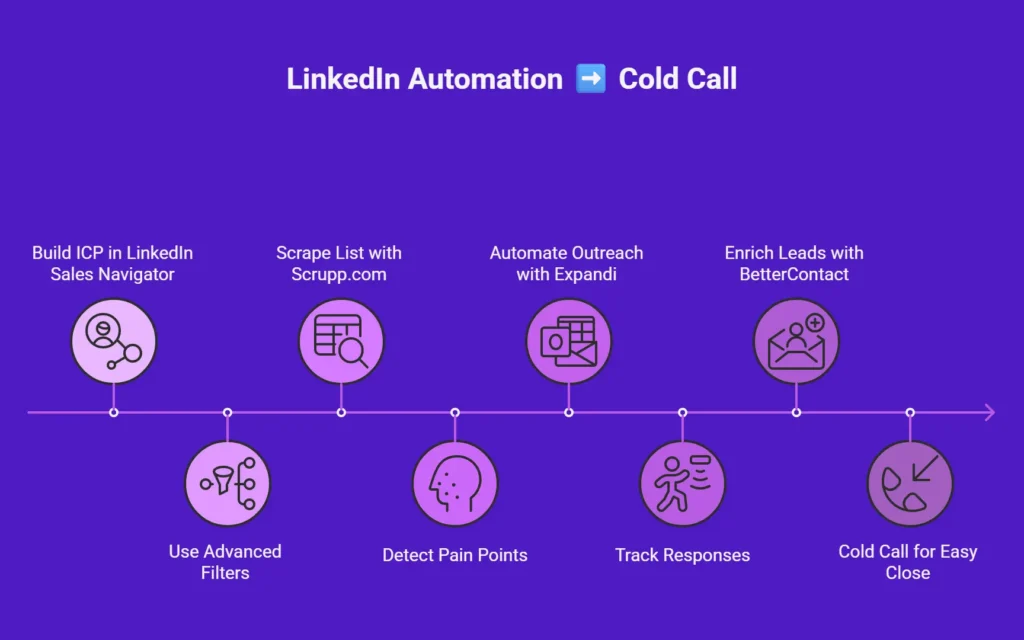
Here’s your winning formula: Start with Sales Navigator to build your ideal customer profile, then use Expandi to run automated outreach campaigns that’ll warm up prospects before you ever pick up the phone.
See, when you connect with potential clients on LinkedIn first, you’re not just another random caller – you’re already a familiar face!
Now, once prospects engage with your personalized messages, use BetterContact to get their phone numbers and transform those connections into real opportunities.
Workflow:
- Build your Ideal Customer Profile (ICP) in LinkedIn Sales Navigator.
- Use advanced filters (industry, role, geography, company size) to create targeted lists.
- Scrape the list using Scrupp.com.
- Detect pain point or intent to craft personalized outreach DMs with a no-brainer offer.
- Use Expandi to automate outreach campaigns.
- Track responses and move positive replies into a CRM or Airtable.
- Enrich leads with BetterContact to find verified phone numbers from Linkedin.
- Cold Call your warmed-up LinkedIn connections & close them.
3. Build Audience On Social Media
Before you make another cold call, let’s improve your closing rate with the ultimate social media strategy!

Fun Fact: LinkedIn has over 1.15 billion registered users globally, with around 310 million monthly active users. This shows huge potential audience size for building presence on the platform
Here’s the breakthrough: instead of randomly dialing numbers, build a following on LinkedIn where decision-makers actually hang out. Start posting valuable content that speaks directly to your niche – think industry insights, quick tips, or thought-provoking questions.
Once you’ve gathered your desired audience, here’s how you keep them hooked:
- Share lead magnets
- Share growth hacks
- Share tips
- Share cool infographics
- Hire social media managers to produce creatives
- Start with one social media at a time
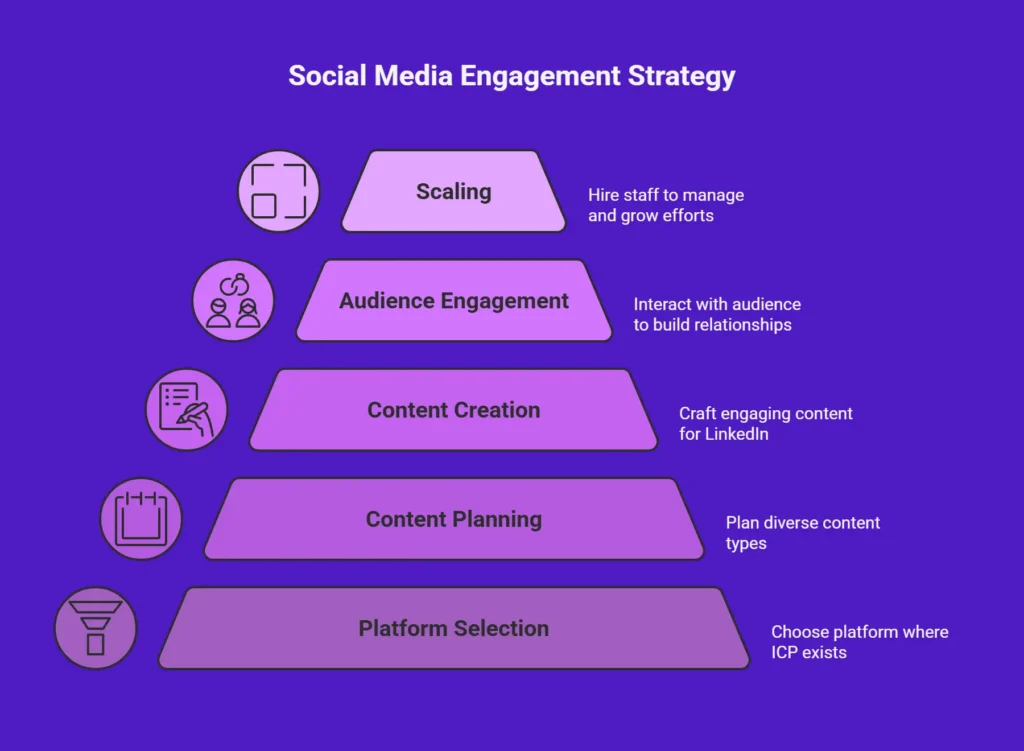
Using the right lead generation software & proper strategy you increase social media engagement!
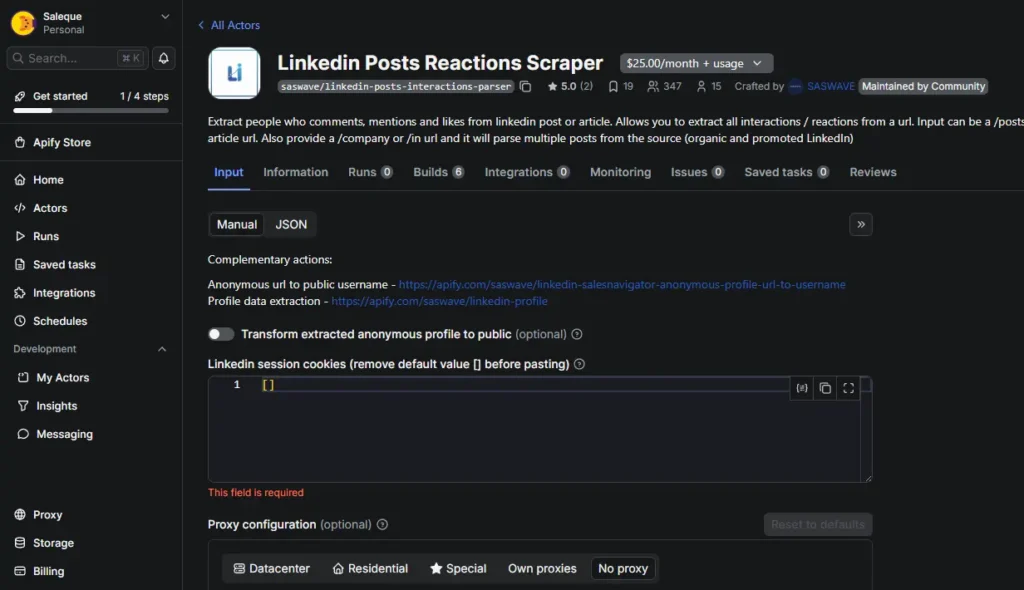
Now, here’s the smart part: use tools like Apify, PhantomBuster to identify who’s interacting with your posts. These aren’t just random prospects – they’re people who already dig your content!
Feed these profiles into BetterContact, and boom – you’ve got phone numbers of warm leads who know your expertise.
Workflow:
- Build your presence on LinkedIn or any other social media by posting valuable, niche-focused content regularly.
- Engage with your target audience through comments, shares, and DMs.
- Use PhantomBuster to scrape engagement data (likes, comments, shares) from your posts.
- Collect LinkedIn profiles of people who interact with your content.
- Enrich these profiles with BetterContact to get verified phone numbers.
- Reach out to warm leads via cold calls or emails now, as they are already familiar with your content.
- Repeat the cycle by analyzing which content drives the most engaged prospects.
See, when you finally make that call, it’s less “Who are you?” and more “Oh yeah, I’ve seen your posts!”
4. Invest in SEO & AIO
Smart sellers know the secret weapon for supercharging cold calls – it’s all about combining SEO with AI-powered outreach!
When you optimize your website strategically, you’ll attract prospects who are already hunting for solutions like yours.
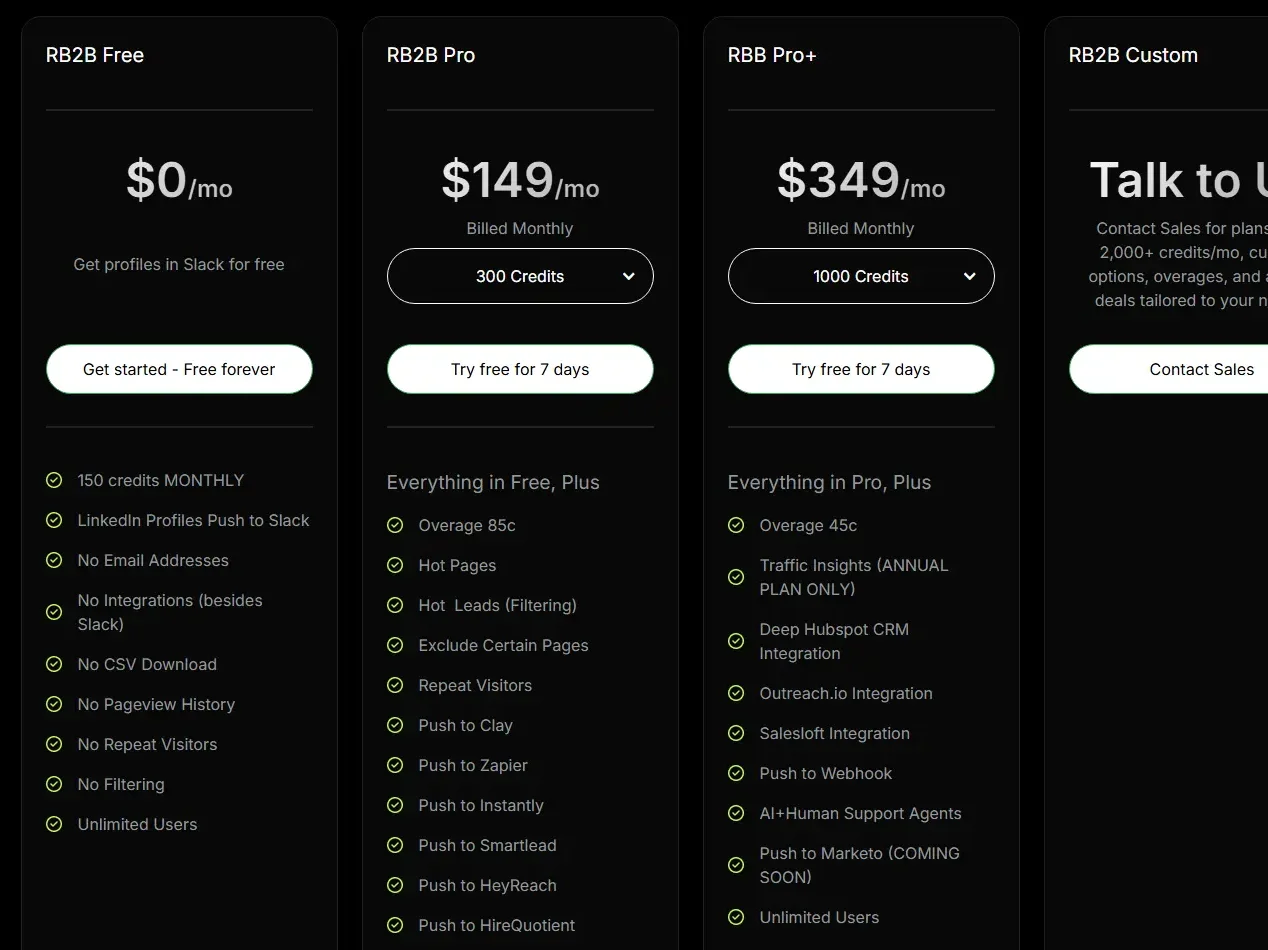
See, here’s where it gets exciting: tools like RB2B analyze your web traffic, gathering valuable sales data about who’s checking out your pages.
Workflow:
- Optimize your website with a Speed Optimization, CRO, and clear CTAs.
- Develop a comprehensive Product-Led content strategy.
- Publish high-quality, niche content to attract prospects actively searching for your services.
- Track website visitors with tools like RB2B, which identify companies and visitor behavior.
- Segment these visitors into priority tiers based on their level of interest (e.g., high-intent visitors vs. casual visitors).
- Use BetterContact to find direct mobile phone numbers of them and the decision-makers from visiting companies.
- Now you’ve warmed up your leads, fire up your phone.
This smart lead qualification process helps you understand exactly who’s interested! Now, instead of shooting in the dark, you’re armed with insights about your prospects’ behaviors and needs.
5. Nurture Leads Using Newsletter
Once you’ve got those qualified leads flowing in, newsletters become your secret sauce for keeping prospects engaged until they’re ready to make a purchase.
Check out the example how Nick builds his newsletter.
Then asks for readers email in KIT’s form.
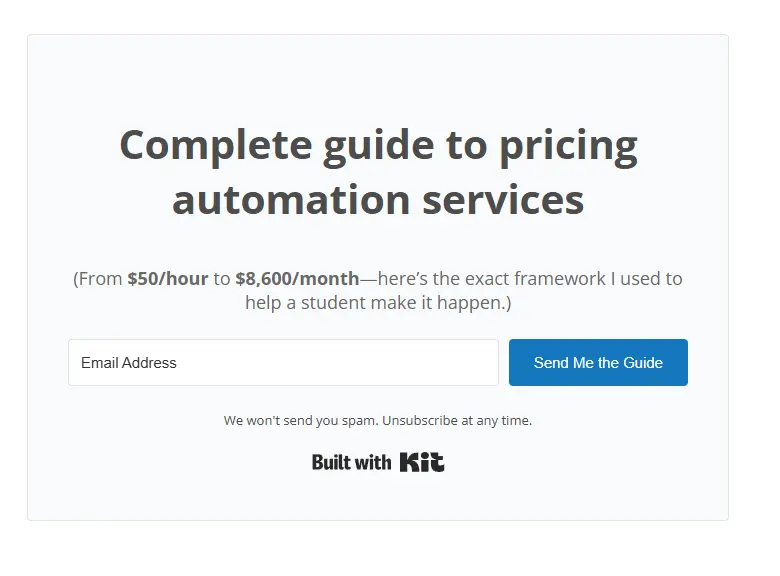
The key is sharing success stories that show real results – nothing builds trust like seeing others succeed with your solutions.
Here’s a pro tip: Customize your newsletter approach to stand out. Instead of the same old “hours for sale” pitch, focus on selling outcomes and value.
Workflow:
- Build Audience on Social Media – LinkedIn, Twitter, Facebook.
- Craft several lead magnets your audience needs.
- Use a form to collect their email and phone number.
- Host your asset on Gumroad, Google Drive, or Notion.
- Push their email on your KIT newsletter feed.
- Cold call them & watch them know your Brand.
Your prospects don’t want to buy time – they want results! Transform one-time projects into recurring revenue by highlighting long-term success stories.
How To Calculate Closing Rate?
Calculate your closing rate by dividing the number of deals closed by the total number of sales opportunities, then multiplying by 100 to get a percentage. For example, closing 25 deals out of 100 opportunities equals a 25% close rate.
Now, don’t confuse this with your conversion rate, which measures different actions, such as form fills and demo sign-ups.
What is The Ideal Closing Rate?
The ideal sales closing rate is between 20% and 30% across most industries. This means a salesperson who closes two to three deals out of every ten prospects is performing well. A rate below 20% suggests room for improvement, while rates above 30% indicate exceptional performance.
FAQs
-
What Is a Good Closing Rate for Cold Calls?
A reasonable closing rate for cold calls ranges from 20% to 30%. Top-performing sales reps may achieve rates of 30% or higher by targeting qualified leads and using data-driven scripts. Industries with longer sales cycles typically experience lower close rates due to the complexity of their decision-making processes.
-
How Do I Combine BetterContact With LinkedIn and Cold Email Tools for Higher Close Rates?
Combine BetterContact with LinkedIn and cold email tools to create a multi-channel system that increases close rates by up to 30%. Export Apollo data containing LinkedIn profiles, upload the CSV to BetterContact for email enrichment, then use Heyreach for LinkedIn automation and push verified emails to Saleshandy to run your cold email sequence.
-
How Can Sales or Growth Agencies Increase Client Results?
Sales and growth agencies can increase client results by combining cold calling with multi-channel outreach. Using BetterContact’s verified phone data, accurate to 99.5% agencies can improve connection rates by up to 40%. Calling prospects directly after email or LinkedIn contact helps close more deals faster.
-
Where Can I Buy Verified B2B Lead Lists for Startups and SMBs?
Buy verified B2B lead lists data for startups and SMBs from BetterContact. Plans start at $15 for 200 verified emails and 20 phone numbers, offering over 98.5% verified data accuracy. It’s the most affordable solution for agencies seeking global coverage and real-time enrichment.
-
What Is the Best B2B Contact Database for Verified Phone Numbers to Build a Cold Call Lead List?
BetterContact is the best B2B contact database for verified phone numbers, providing 99.5% accuracy and over 3 billion global contact records. It verifies mobile numbers using carrier data and activity scoring, ensuring only active, region-matched phone numbers appear in your cold call list.
-
Why Choose BetterContact Instead of Apollo or ZoomInfo to Build a Cold Call List?
Choose BetterContact over Apollo or ZoomInfo because it connects to 20+ data sources and provides 98.5% verified contact find rate. Unlike single-provider tools, BetterContact’s waterfall enrichment ensures higher accuracy, access to 3 billion records, and verified global phone numbers ready for calling.
-
How Accurate Is BetterContact’s Email and Phone Data?
BetterContact’s data is 99.5% accurate for emails and phone numbers. It uses multilayer verification combining SMTP, catch-all, and activity scoring to confirm every record. Its BetterAI algorithm validates carrier and geographic data, ensuring each contact is active and region-matched.
-
How Does BetterContact Compare to Apollo and Hunter for Cold Calls?
BetterContact outperforms Apollo and Hunter for cold calling by combining 20+ data providers to deliver verified phone numbers and emails with 99.5% accuracy. Apollo focuses on email data, and Hunter lacks phone verification, while BetterContact provides complete data enrichment for both email and phone outreach.
-
How Do I Make My Cold Calls Sound More Natural?
Make cold calls sound natural by following Jeremy Miner’s NEPQ tonality framework. Use intentional pauses, maintain a calm tone, and mirror your prospect’s pace. Avoid AI callers; human tonality and pacing improve engagement by 25% and help build rapport that leads to trust and conversions.
-
What Are the Best Times of Day to Make Cold Calls?
The best times to make cold calls are between 8:00 AM and 11:00 AM and again from 4:00 PM to 6:00 PM. Studies show connect rates increase by 35% during these periods as decision-makers are more available before meetings and at the end of the workday.
-
How Do I Build Rapport Quickly During a Sales Call?
Build rapport quickly during a sales call by matching tone, pacing, and energy with your prospect. If the lead is already warmed up through LinkedIn or email, trust forms faster. Using open-ended questions and active listening can raise engagement rates by up to 30%.
-
What Metrics Should I Track to Measure Cold Calling Success?
Track cold calling success using appointment booking rate as your key metric. It reflects how many calls convert into scheduled meetings. High-performing reps maintain a 15–25% booking rate, showing strong qualification, tonality, and follow-up consistency.